


Choosing the perfect perfume can be a transformative experience, intertwining memory, mood, and personal style into a single scent. Whether browsing aisles or shopping online, understanding the intricate world of fragrances helps avoid costly mistakes and find a signature aroma that truly resonates. This guide unpacks key insights about perfumes, demystifying their components, types, and application tips to empower more confident fragrance selections with lasting satisfaction.
Understanding Perfumes: What You Need to Know
Perfumes are complex blends of aromatic compounds designed to create pleasant scents and enhance personal presence. They typically contain essential oils, aroma molecules, solvents like alcohol, and fixatives to stabilize the fragrance. Differentiating between perfume, eau de toilette, and cologne hinges on the concentration of fragrance oils—perfumes have the highest, often 15-40%, eau de toilette ranges around 5-15%, while cologne generally has 2-5%. This concentration influences scent intensity and longevity. Knowing these distinctions helps set expectations for performance and price.
Perfumes also fall into various fragrance families such as floral, woody, oriental, fresh, and citrus, each conveying unique moods and personalities. Developing familiarity with these basics enables more informed choices matching individual tastes and occasions.
How Perfumes Work: Fragrance Composition and Longevity
Perfume scents unfold through a structure of notes: top notes give the initial impression, usually light and volatile; middle (heart) notes define the core personality; base notes provide depth and lasting power. For example, citrus often appears in top notes, florals as middle notes, and musk or sandalwood as base notes.
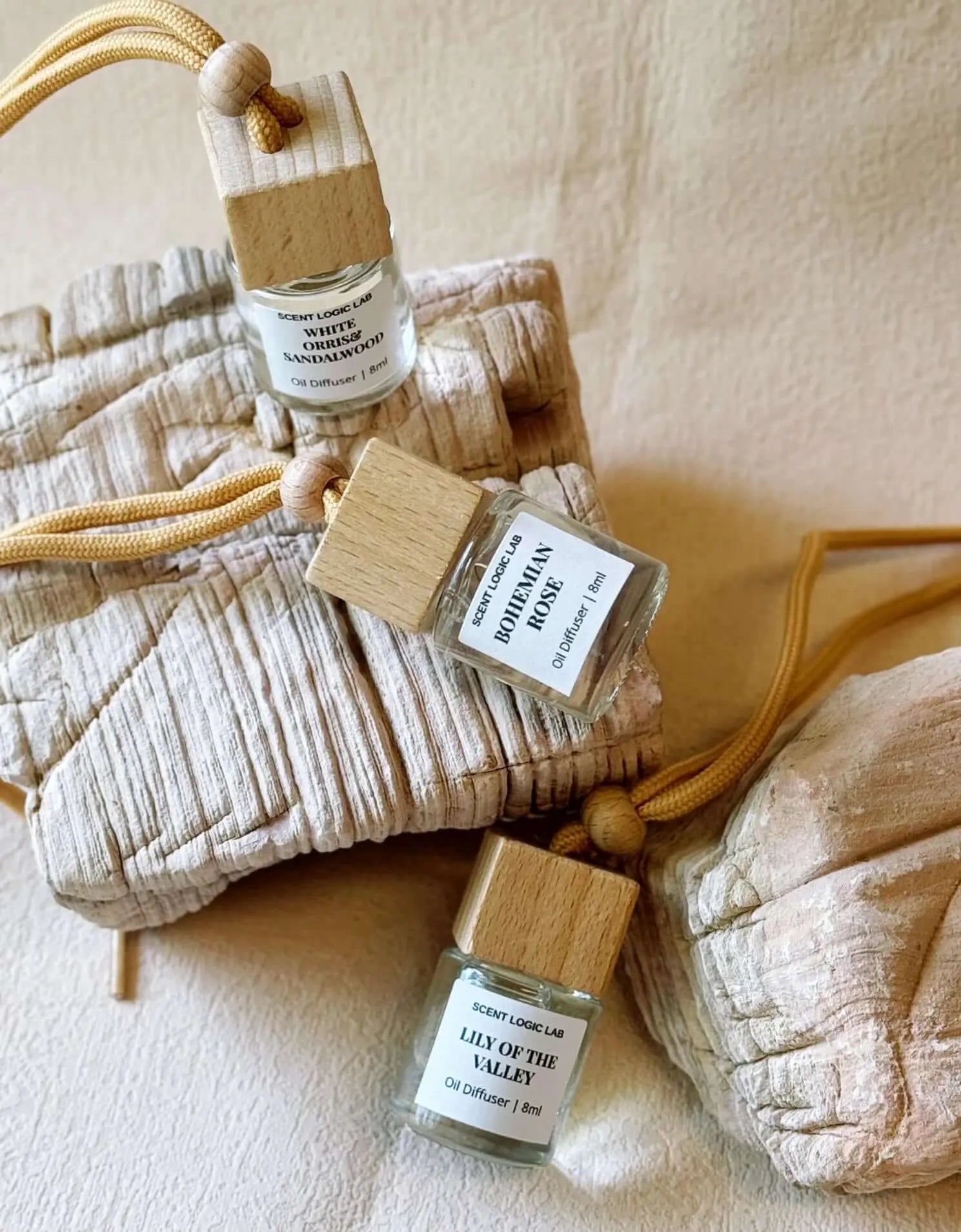
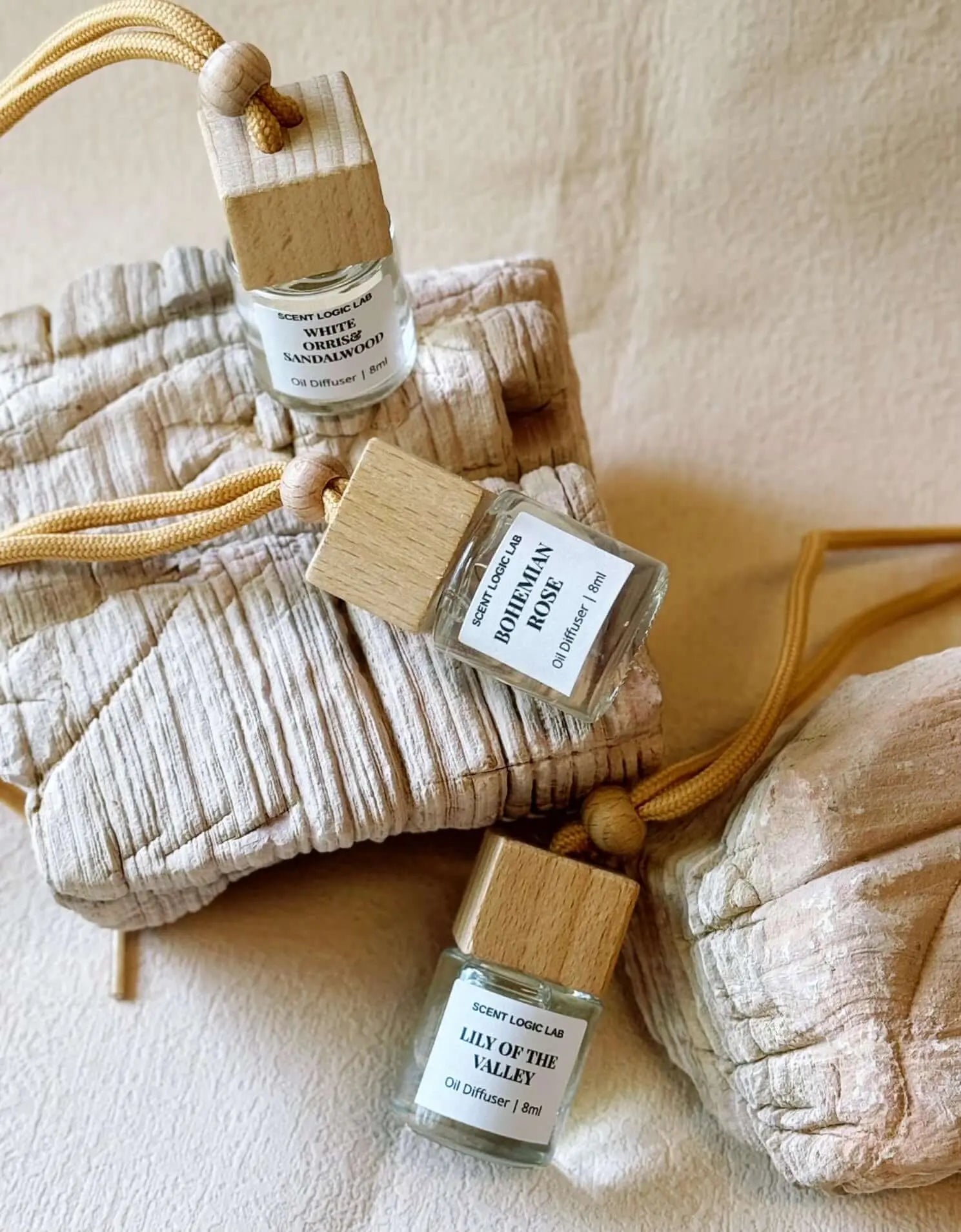
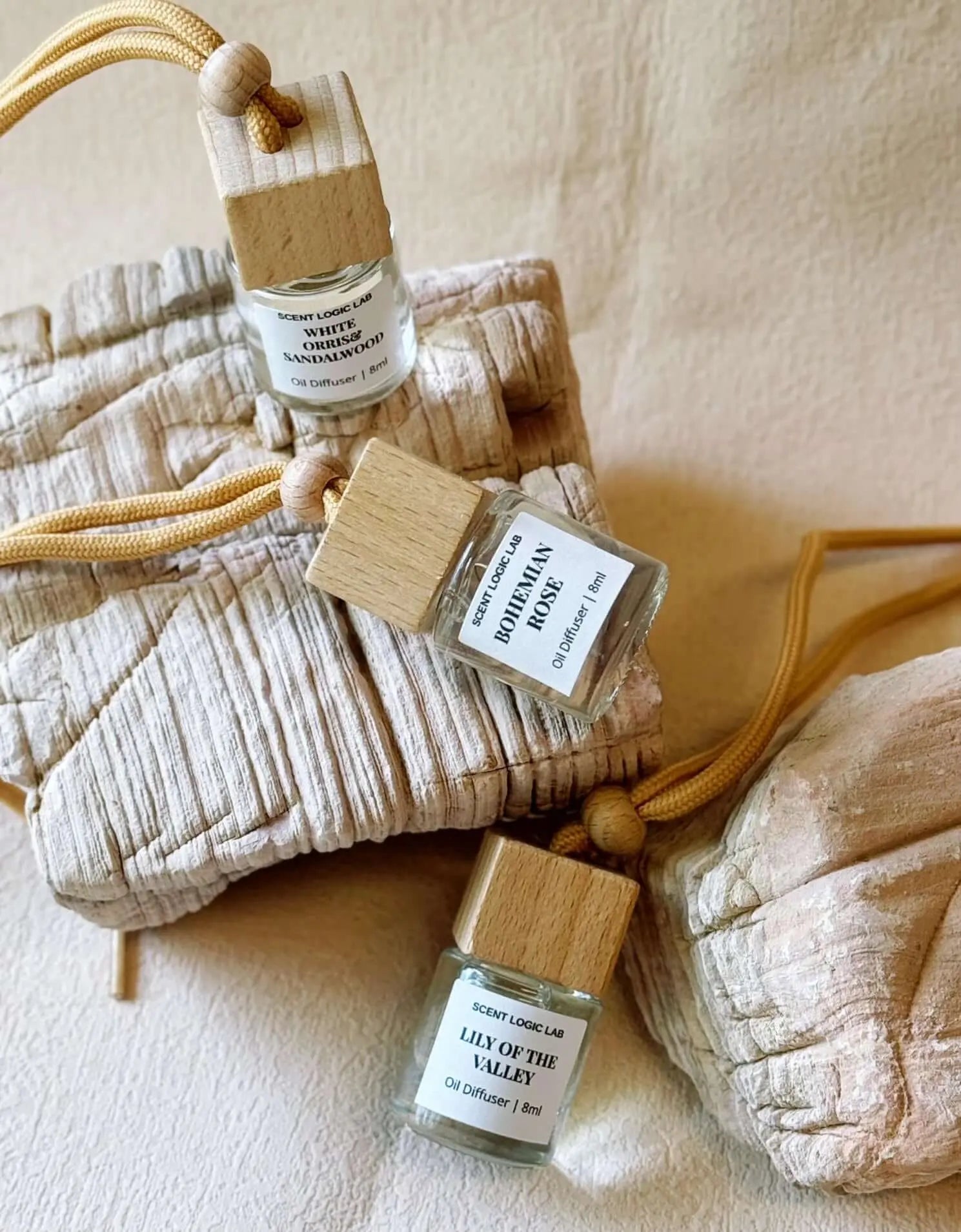
The longevity of a perfume depends on oil concentration and skin chemistry—oily skin tends to hold scents longer than dry skin. Science explains that as perfumes evaporate, our noses perceive changing notes over time. Alcohol-based perfumes tend to dissipate quicker, while perfume oils, which lack alcohol, often last longer and project differently, offering alternatives for those sensitive to alcohol or seeking richer intensity.
Popular Types of Perfumes and Their Uses
Perfumes come in several key forms: parfum (pure perfume), eau de parfum (EDP), eau de toilette (EDT), and body sprays. Parfum offers the richest concentration, suited for special occasions or evening wear due to its longevity and price. Eau de parfum balances lasting power with versatility, great for daily use or layering. Eau de toilette is lighter, ideal for warmer weather or casual settings, while body sprays provide a subtle scent boost, often favoring budget-conscious users or those preferring very light fragrance.
Pricing reflects these concentrations and packaging quality; luxurious bottles and limited editions can raise costs. Selecting the right type depends on fragrance needs, whether it’s bold and long-lasting or softly refreshing, plus considerations like season and event formality. For more on choosing fragrances, see our guide to top perfumes for every occasion.
Top Perfume Notes and Fragrance Families Explained
The fragrance landscape divides into families that characterize mood and style. Floral perfumes feature petals like rose or jasmine, evoking softness and romance. Woody scents highlight cedar or sandalwood, offering warmth and earthiness. Oriental families blend spices, vanilla, and amber for exotic richness. Fresh fragrances contain aquatic or green notes, ideal for clean, uplifting vibes. Citrus notes introduce zesty brightness with lemon or bergamot.
Popular individual notes influence emotional response: lavender calms, patchouli adds mystery, while vanilla comforts. The interplay of these notes defines whether a perfume feels youthful, sophisticated, energetic, or serene. Choosing notes aligned with personality or specific occasions—such as citrus for summer days or oriental for evening affairs—helps cultivate a scent that complements life’s moments.
How to Choose the Right Perfume for You
Selecting a perfume starts by reflecting on personal style and daily activities. Someone with an active lifestyle might prefer fresh or citrus scents that invigorate without overwhelming. Testing fragrances on skin, rather than paper, reveals how body chemistry influences scent evolution. Sampling over a few hours uncovers scent transitions critical to overall appeal.
Matching fragrance families to seasons and settings enhances appropriateness—a woody or oriental scent feels cozy in fall and winter, while floral or fresh fits spring and summer. Identifying a signature scent involves narrowing choices and avoiding overly complex blends that confuse the senses. Starting with moderate concentrations and expanding from there can prevent overwhelming wearers and those around them.
Step-by-Step Guide to Testing and Sampling Perfumes
Proper testing can prevent disappointment after purchase. Begin by spritzing the perfume on a pulse point like your wrist. Wait at least 15-30 minutes for the dry-down phase, when base notes emerge and the true character appears. Assess how the scent evolves rather than the immediate top notes alone.
Using blotters helps compare multiple scents quickly but may not reflect how a perfume interacts with your skin chemistry. Skin testing offers a more accurate impression. Sampling in-store allows immersive experience, while online sample kits or decants provide low-commitment options for trying new or niche scents.
Where to Buy Perfumes: Pros and Cons of Various Retail Options
Department stores offer broad selections and in-person testers, beneficial for personalized assistance. Specialty boutiques provide curated collections and expert advice but may have limited brands or higher prices. Online retailers excel in convenience and often better pricing, with sample sets enhancing risk reduction.
In-store purchases allow testing authenticity and scent clarity immediately, while online shopping may present challenges verifying genuine products. Careful choice of trusted vendors, attention to return policies, and reading customer feedback help mitigate counterfeit risks. Balancing tactile experience with convenience shapes the ideal buying channel for each shopper.
Affordable Perfumes That Don’t Compromise Quality
Quality perfumes abound across price ranges; affordability doesn’t necessarily mean sacrificing longevity or distinctive scent profiles. Brands like Zara, The Body Shop, or even some indie lines provide compelling options that suit budget-conscious buyers.
Opting for smaller bottle sizes or gift sets reduces initial costs and allows exploration before fully investing. Assessing scent longevity and personal resonance is key—cheaper perfumes lacking stamina can disappoint despite appealing notes. Smart buying balances fragrance appeal, lasting power, and price.
Best Perfume Reviews and Trending Fragrances in 2026
2026 brings exciting perfume launches emphasizing freshness with a twist, eco-conscious production, and unique note combinations. Notable releases include a vibrant citrus-floral eau de parfum suited for daytime and a rich oriental fragrance perfect for evening allure.
Critically acclaimed scents often blend classic note families with modern elements—such as a woody base paired with unexpected spice—that appeal both to broader audiences and niche enthusiasts. Emerging niche brands garner attention for their artisanal craftsmanship and sustainable practices, making them favorites among informed consumers. Balancing trending perfumes with timeless classics ensures a well-rounded collection.
Perfume Application Tips for Maximum Scent Longevity
Apply perfume to pulse points like wrists, neck, behind ears, and inner elbows where warmth helps diffuse scent. Moisturizing skin beforehand boosts absorption and lasting power. Layering with matching scented lotions or oils deepens fragrance impact without overpowering.
Avoid rubbing wrists together as friction can break down fragrance molecules, shortening longevity. For those on the go, travel-size sprays or rollerballs facilitate discreet reapplication, critical for extended wear on busy days or travel.
Storing Perfumes Properly to Preserve Quality
Perfumes degrade when exposed to heat, direct light, and fluctuations in air. Storing bottles upright in cool, dark, and dry areas preserves scent integrity. Keeping caps tightly closed minimizes oxidation, which alters aroma and weakens potency.
Perfumes generally last 3-5 years; changes like cloudiness, color shifts, or sour smells indicate they’ve passed their prime. Proper storage extends usable life, protecting investment in fine fragrances.
Health Considerations: Are Perfumes Bad for Rosacea or Sensitive Skin?
Rosacea is a chronic skin condition prone to redness and irritation, which some fragrance ingredients can aggravate. Common irritants include alcohol, synthetic musks, and certain essential oils. People with sensitive skin may experience burning, itching, or flare-ups.
Choosing hypoallergenic or fragrance-free products reduces risk, as does patch testing a small skin area before regular use. Consulting with a dermatologist ensures suitable options, especially when managing rosacea or other sensitivities.
Tips for Buying Perfumes Online Without Testing
Online perfume shopping carries uncertainty since scent can’t be sampled directly. Reading detailed descriptions about fragrance notes and intensity helps set expectations. Customer reviews often reveal reliability and personal experiences, guiding wiser choices.
Purchasing sample kits or decants provides affordable, low-risk ways to try scents before committing to full bottles. Opting for retailers with flexible return policies adds protection if the fragrance does not meet expectations.
Understanding Perfume Ingredients: Natural vs Synthetic
Perfumes comprise natural extracts from flowers, fruits, woods, or resins, and synthetic molecules engineered to replicate or enhance scents. Natural ingredients tend to evoke authenticity and complex aromas but may be less stable and allergenic to some. Synthetics provide consistency, longevity, and wider scent possibilities at a lower cost.
The industry increasingly embraces clean, sustainable ingredients, responding to consumer demand for eco-conscious products. Choosing between natural and synthetic depends on personal values, scent preference, and skin sensitivities, with many perfumes blending both for optimal effect.
Frequent Questions About Perfumes
Is fragrance bad for rosacea?
Fragrances can irritate rosacea-prone skin by triggering inflammation from alcohol and synthetic compounds. Opting for fragrance-free or hypoallergenic products minimizes flare-ups. Patch testing and professional advice help ensure skin safety.
Which perfume scent lasts the longest?
Longevity depends on fragrance concentration and notes; parfums and gourmand scents with rich base notes like vanilla, amber, or musk usually endure longer. Skin type and environment also impact duration.
How to find your signature scent?
Explore various fragrance families on skin over time. Consider personal style, occasion, and seasonality. Narrow options to those that evoke a strong positive feeling without overpowering.
What’s the difference between Eau de Toilette and perfume?
Eau de Toilette has a lighter concentration (5-15%) of fragrance oils than perfume (15-40%), making it less intense and shorter-lasting, usually more affordable and suitable for casual use.


